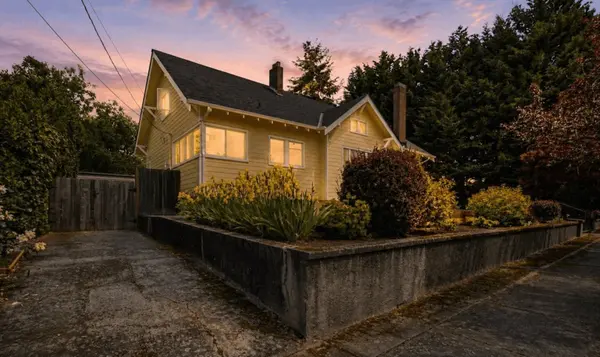
A Complete Downsizing Home Checklist for a Stress-Free Move

Picture this: the kids have been out of the house for years now, you're rattling around in four bedrooms you barely use, and every weekend seems to disappear into lawn care, gutter cleaning, or some other maintenance project that never quite ends. Sound familiar?
For a lot of homeowners, that moment of "okay, this house is too much" sneaks up gradually. It's not just one thing — it's the combination of an extra mortgage payment's worth of upkeep, rooms that collect dust, and a nagging feeling that your home no longer fits the life you're actually living.
Downsizing your home is one of the most meaningful financial and lifestyle decisions you can make, especially as you head into retirement or your post-kids chapter. But it's also one of the most emotionally loaded. You're not just selling square footage — you're letting go of a place where your life happened.
This guide is here to help you think it through carefully, with a complete downsizing home checklist, honest advice on what to expect, and guidance on how to make the transition as smooth as possible.
What Does Downsizing Your Home Really Mean?
At its most basic, downsizing means moving from a larger home to a smaller one — but that's almost too simple. For most people, it's really about rightsizing: finding a home that better matches where you are in life right now, not where you were 20 years ago.
There's a misconception that downsizing is about settling or giving something up. In reality, most people who've done it say the opposite. Less space often means less stress, lower bills, and more freedom to spend money — and energy — on the things that actually matter to them.
Downsizing doesn't automatically mean a condo or apartment, either. Some people move from a large suburban home into a well-appointed smaller house in a walkable neighborhood. Others move closer to family. The destination looks different for everyone.
Why More Homeowners Are Downsizing Their Homes
There's a reason downsizing conversations are happening in kitchen tables all over the Pacific Northwest right now. The motivations are practical, financial, and deeply personal — often all at once.
Reduced maintenance burden. A smaller home means less to repair, clean, and manage. For homeowners in their 60s and beyond, this isn't just a convenience — it's quality of life. Weekends start belonging to you again.
Lower monthly expenses. Smaller homes typically come with lower property taxes, utility bills, and insurance costs. That monthly savings adds up fast.
Retirement planning. Home equity is often the largest asset retirees hold. Unlocking that equity through a sale can fund retirement income, travel, healthcare costs, or simply provide a meaningful financial cushion.
Lifestyle flexibility. Without a demanding property tying you down, it becomes easier to travel, visit family, or spend time pursuing hobbies. Some people find that a smaller, lower-maintenance home actually opens their lives up considerably.
Less stress, full stop. Owning a large home you don't fully use carries a quiet psychological weight. Simplifying that can feel like a genuine relief.
Increased financial freedom. The proceeds from selling a larger home can fund more than retirement — they can provide legacy gifts to children, fund experiences, or simply sit in an account giving you peace of mind you didn't have before.
Downsizing Your Home for Retirement: Why Planning Ahead Matters

One of the most common mistakes retirees make is waiting too long to start thinking about this. The ideal time to plan a downsize is before you feel forced into one — before a health event, a financial squeeze, or a sudden change makes the decision for you.
When you downsize on your own timeline, you have options. You can be selective about where you move, take time to prepare your home properly for sale, and make thoughtful decisions about what to keep and what to let go of. Rushed downsizing almost always means leaving money on the table or making choices you later regret.
Downsizing your home for retirement also involves tax considerations worth understanding. In many cases, long-time homeowners can exclude a significant portion of their home sale gains from federal taxes — but the rules have nuances, and it's worth consulting a financial advisor alongside your real estate agent to understand your specific situation.
The bottom line: the earlier you start planning, the better your outcome is likely to be — financially, emotionally, and logistically.
Complete Downsizing Home Checklist
This isn't a quick Downsizing Home checklist you skim and forget. Think of it as a working guide you can return to throughout the process. Take it one step at a time.
1. Define Your Goals
Before anything else, get clear on why you're downsizing and what you want on the other side of this move. Ask yourself:
- Are you primarily motivated by finances, lifestyle, or both?
- Where do you want to live — same area, closer to family, somewhere warmer?
- What does your ideal next home look like? Single level? Low-maintenance yard? Walkable neighborhood?
- Are you planning to age in place in your next home?
Having clear answers here will shape every decision that follows.
2. Determine Your Timeline
Downsizing without a timeline tends to drift. A realistic timeline — even a flexible one — keeps momentum going. Consider factors like the local market, the season you want to sell in, and how long it will realistically take you to sort through decades of belongings.
Many people find that giving themselves 6–12 months creates enough breathing room to do this well.
3. Evaluate Your Current Home's Value
You can't make good financial decisions without knowing what your home is actually worth in today's market. This step is more important than most people realize — values shift, and assumptions based on what your neighbor sold for two years ago can be way off.
A free home valuation from a local real estate professional gives you a current, accurate picture to plan around. (More on that below.)
4. Create a Decluttering Plan
This is where most people underestimate the time involved. If you've lived in your home for 15, 20, or 30+ years, you have a lot of stuff. There's no kind way to say it.
Don't try to tackle the whole house in a weekend. Break it down room by room, or even drawer by drawer. Set aside a few hours each week and work methodically. Trying to rush this step leads to decision fatigue and, eventually, boxes of random things you meant to sort that just get moved to the next house.
5. Sort Items Into Keep, Donate, Sell, and Discard Categories
A simple four-category system works well:
- Keep — things you use regularly, love, or genuinely need
- Donate — items in good condition that someone else could use
- Sell — furniture, collectibles, or valuables worth selling through an estate sale, marketplace, or consignment
- Discard — things that are broken, outdated, or truly no longer useful
Be honest with yourself. Sentimental items deserve real thought, but holding onto things out of guilt rather than genuine attachment doesn't serve you.
6. Measure Your New Space
Before you pack a single box, get the floor plan and dimensions of your new home. Then figure out what actually fits — not what you hope might fit. This prevents moving large furniture pieces you'll immediately need to sell or give away once you arrive.
7. Organize Important Documents
A move is a good time to consolidate and organize the paperwork that tends to scatter over the years: wills, insurance policies, financial statements, medical records, tax returns, and property documents. Consider scanning important documents and storing them digitally as a backup.
8. Make Necessary Repairs
Walk through your home with a critical eye — or ask your real estate agent to do a pre-listing walkthrough. Small deferred maintenance items (dripping faucets, worn caulking, scuffed walls) can create the impression of a neglected property in a buyer's mind, even if the home is otherwise solid. Addressing these before listing almost always pays off.
9. Prepare Your Home for Sale
Preparation goes beyond repairs. Think about curb appeal, deep cleaning, staging, and professional photography. Buyers form strong first impressions quickly — online before they even visit. Presenting your home well from the start tends to attract stronger offers and shorter time on market.
10. Work With a Local Real Estate Expert
This step can make or break your experience. An experienced local agent who knows your neighborhood, understands current buyer behavior, and has a real marketing strategy for your home is invaluable. This isn't a transaction you want to navigate alone, especially if you haven't sold a home in years and the market has changed considerably since then.
11. Plan Moving Logistics
Once you have a clearer picture of your move date and your new home's layout, start planning the logistics: hiring movers, reserving storage if needed, coordinating utilities, and arranging for any cleaners. The more organized you are here, the smoother moving day goes.
12. Settle Into Your New Home
Give yourself permission to take time to settle in. Unpacking everything in the first 48 hours isn't necessary — and frankly, it can lead to things ending up in the wrong place permanently. Take it slowly, get oriented in your new neighborhood, and let the new space start to feel like home on its own terms.
Common Downsizing Mistakes to Avoid
Even well-prepared homeowners run into these. Knowing about them ahead of time puts you in a much better position.
- Waiting until you have no choice. Downsizing under pressure — due to health, finances, or family circumstances — means fewer options and more stress. Starting when you have time gives you control.
- Overestimating what furniture will fit. Many people move beloved pieces to their new home only to discover they overpower the space. Measure twice, move once.
- Underestimating the emotional weight. Selling a family home isn't just a transaction. Give yourself space to grieve what you're leaving behind — that's a normal and healthy part of the process, not a reason to stall.
- Skipping the home valuation. Pricing a home incorrectly — too high or too low — has real financial consequences. Always get a professional assessment before you list.
- Rushing the decluttering process. What seems like junk in the moment might be something you miss later. Take time with meaningful decisions, especially when it comes to family heirlooms.
- Not communicating with family members. Grown children often have opinions — and feelings — about the family home and its contents. Having conversations early can prevent tension and misunderstandings later.
- Choosing the wrong real estate agent. Experience matters. Neighborhood knowledge matters. A discounted commission means little if the agent's pricing strategy or marketing approach costs you tens of thousands in the sale.
- Ignoring lifestyle fit in the new home search. It's easy to focus on what you're leaving and forget to think carefully about what you actually need in your next place — proximity to healthcare, single-level living, community amenities, access to family.
How Steph Tornow Helps Homeowners Downsize With Confidence
Steph Tornow and the Tornow Realty Group have helped countless homeowners across southwest Washington navigate the downsizing process — and not just the transactional parts of it. This team understands that selling a longtime family home involves more than paperwork and showings. It involves people at a genuinely significant moment in their lives.
Here's what working with Steph looks like in practice:
Personalized guidance from the start. There's no one-size-fits-all approach here. Steph takes time to understand your timeline, your goals, and your concerns before recommending a strategy.
A clear home selling strategy. From pricing to staging to marketing, you'll have a specific plan — not vague reassurances. Steph works to position your home to attract qualified buyers and achieve the strongest possible outcome.
Deep local market knowledge. The Tornow Realty Group serves homeowners throughout the region, including Vancouver, Camas, Ridgefield, Battle Ground, La Center, Woodland, Amboy, Yacolt, and Washougal. That local expertise shapes every recommendation — from pricing to timing to buyer expectations in your specific market.
Stress reduction throughout the process. Downsizing has enough inherent complexity. A good agent removes friction, not adds it. Steph's team handles the details and keeps communication clear so you're never left wondering what's happening with your sale.
Support that doesn't stop at closing. The relationship doesn't end when the paperwork is signed. Whether you have questions about your next home purchase or just need guidance on what comes next, Steph and the team are a resource throughout the transition.
Request a Free Home Valuation Before You Downsize
Here's something worth knowing: most homeowners who are considering a downsize have a significant amount of equity built up — often more than they realize. But that equity only becomes useful when you have an accurate, current picture of what your home is actually worth.
A free home valuation from Steph Tornow does exactly that. It gives you a clear, honest assessment of your home's current market value based on real data — recent comparable sales, neighborhood trends, your home's condition and features — so you can make decisions from a position of knowledge rather than guesswork.
Understanding your home's value helps you:
- Know how much equity you have to work with in your next chapter
- Set realistic expectations for your next home purchase
- Time your sale strategically for maximum return
- Plan for taxes, retirement income, and other financial considerations
There's no obligation attached — just useful, accurate information from someone who knows this market.
Thinking about downsizing your home? Before making any decisions, request your free home valuation from Steph Tornow and Tornow Realty Group. Understanding your home's current market value is the first step toward a successful and stress-free transition.
→ Request Your Free Home Valuation Today
Final Thoughts
Downsizing your home is one of those decisions that can feel overwhelming right up until the moment you actually do it — and then, for most people, it turns out to be one of the best choices they've made.
The key is approaching it intentionally. Know your goals. Give yourself enough time. Work through the process step by step. And find a real estate professional who treats this like the meaningful life transition it is, not just another transaction to close.
If you're in the early stages of thinking about downsizing — even if you're not sure yet — that's exactly the right time to have a conversation. There's no pressure and no obligation. Just honest information that helps you move forward with clarity.
Steph Tornow and the Tornow Realty Group are here whenever you're ready to take that first step.
Categories
Recent Posts